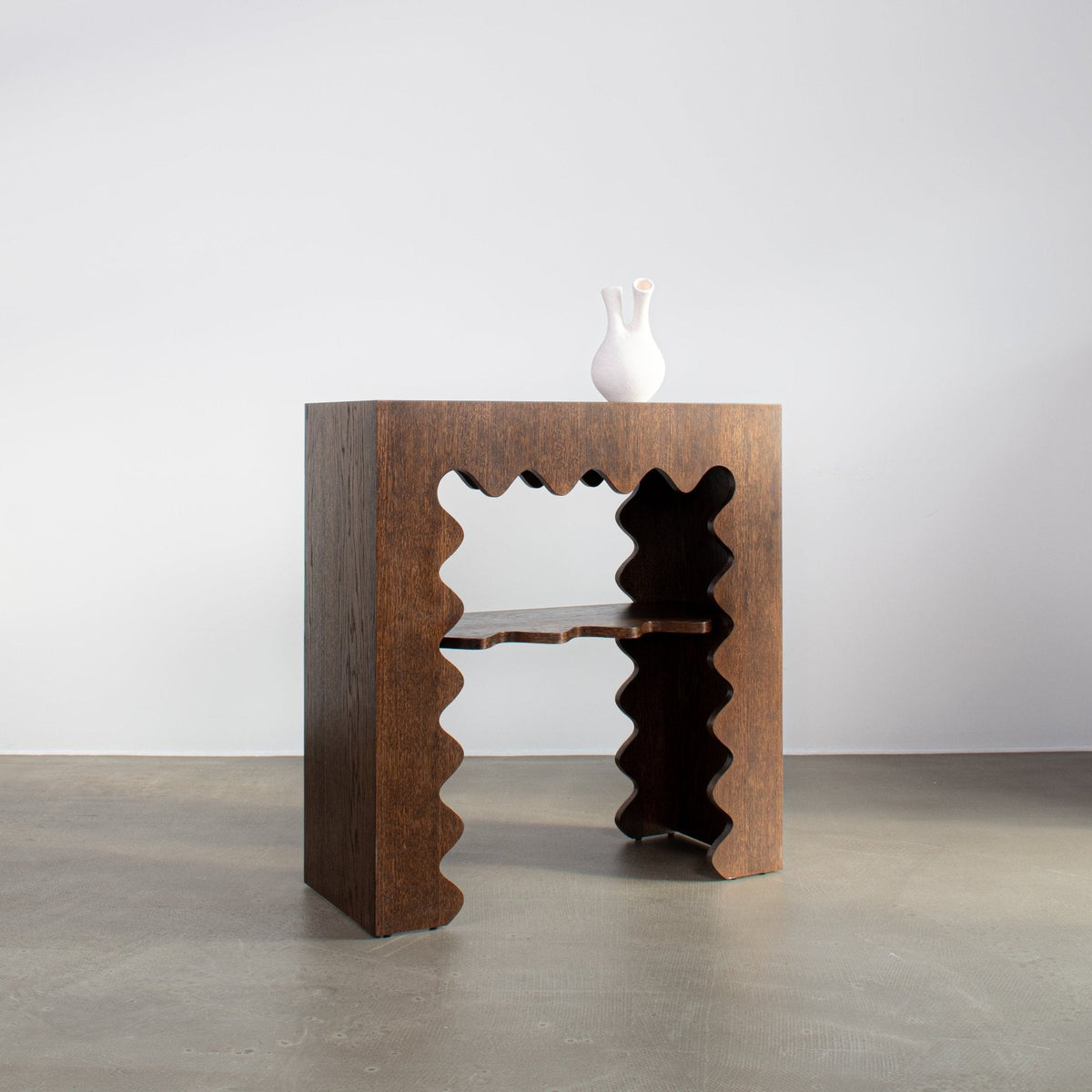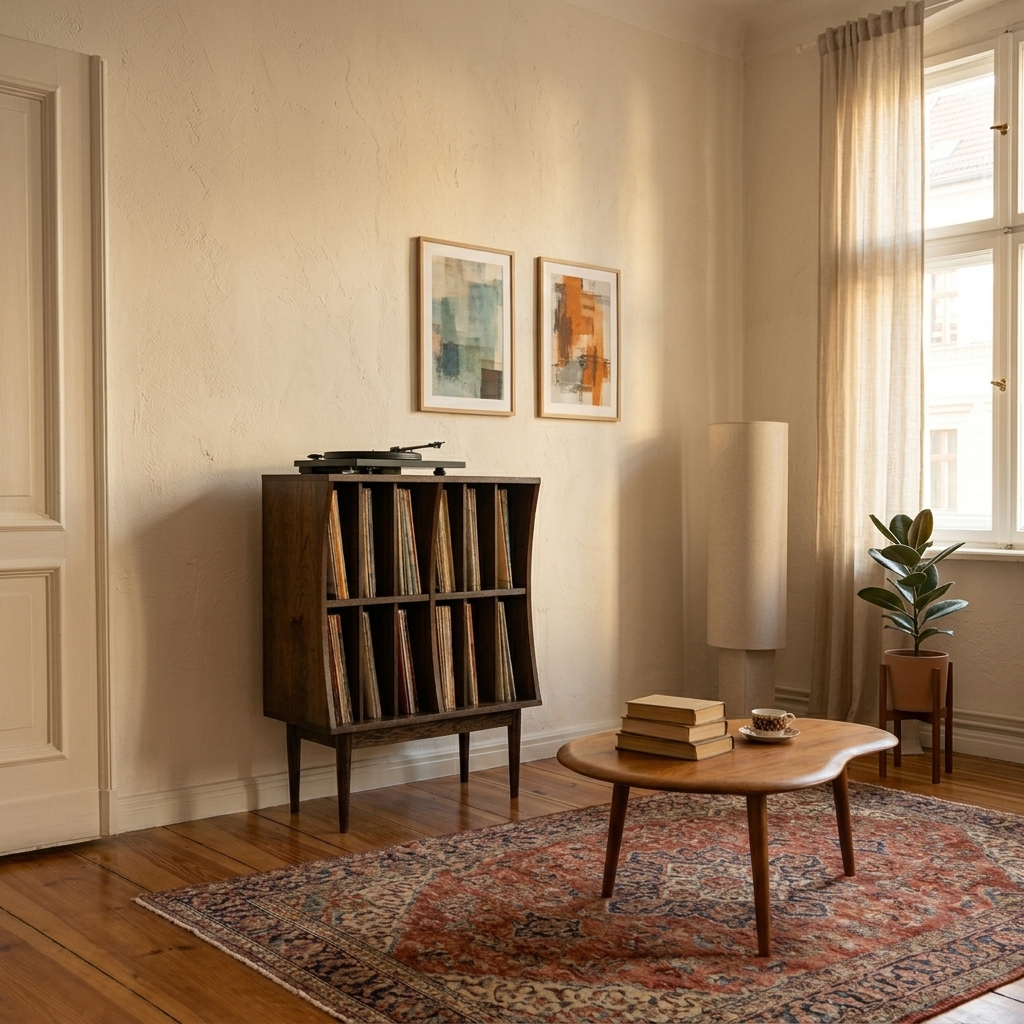
A longing for interiors with soul – spaces that escape the faceless, standardised look of modern housing – is shaping decorating trends more and more strongly. One of the most sought-after directions for living rooms has become vintage style. Bringing in this distinctive aesthetic lets you create a space that is not only cosy and warm but, above all, remarkably refined and personal. Yet for many people setting out to furnish a room, the terminology can be confusing.
Are vintage and retro the same thing? In everyday language the words are often used interchangeably, but in the world of professional design they mean two quite different approaches to designing and furnishing interiors. Before you invest in furniture, find out what defines vintage style and how to create, step by step, a harmonious vintage living room that impresses with its elegance without turning into an overwhelming museum.
Vintage vs Retro Style: What Is the Difference?
Understanding the difference between these terms is the basis of a coherent scheme. To answer the question of what defines vintage style, we need to look back at the history of craftsmanship. True vintage refers to items that are at least 20–30 years old. In furniture, this means iconic designs from the 1950s, 1960s and 1970s. They stand out for their organic lines and exceptional build quality. Back then, furniture was made from fine timber and natural veneers, with attention to every detail. Original vintage-style furniture is synonymous with durability that has stood the test of time and grows more refined with age.


Retro style, on the other hand, is a contemporary interpretation of past design. It covers products made today but deliberately styled on bygone decades – mustard bouclé sofas, for example, or cabinets inspired by the 1960s. Retro style lets you enjoy a classic look without having to restore old furniture. It is worth combining both worlds. Contemporary handcrafted furniture that draws on traditional joinery and is modelled on the classics lets you bring pieces with an old soul into your living room – but in perfect condition.
How to Bring Vintage Style into a Modern Living Room
Creating a successful interior with a historical touch does not mean replacing all your furniture. Too many such pieces can overwhelm a space. The best results come from eclecticism – skilfully mixing old and new. A modern, minimalist living room makes an excellent neutral backdrop against which classic forms can really sing.
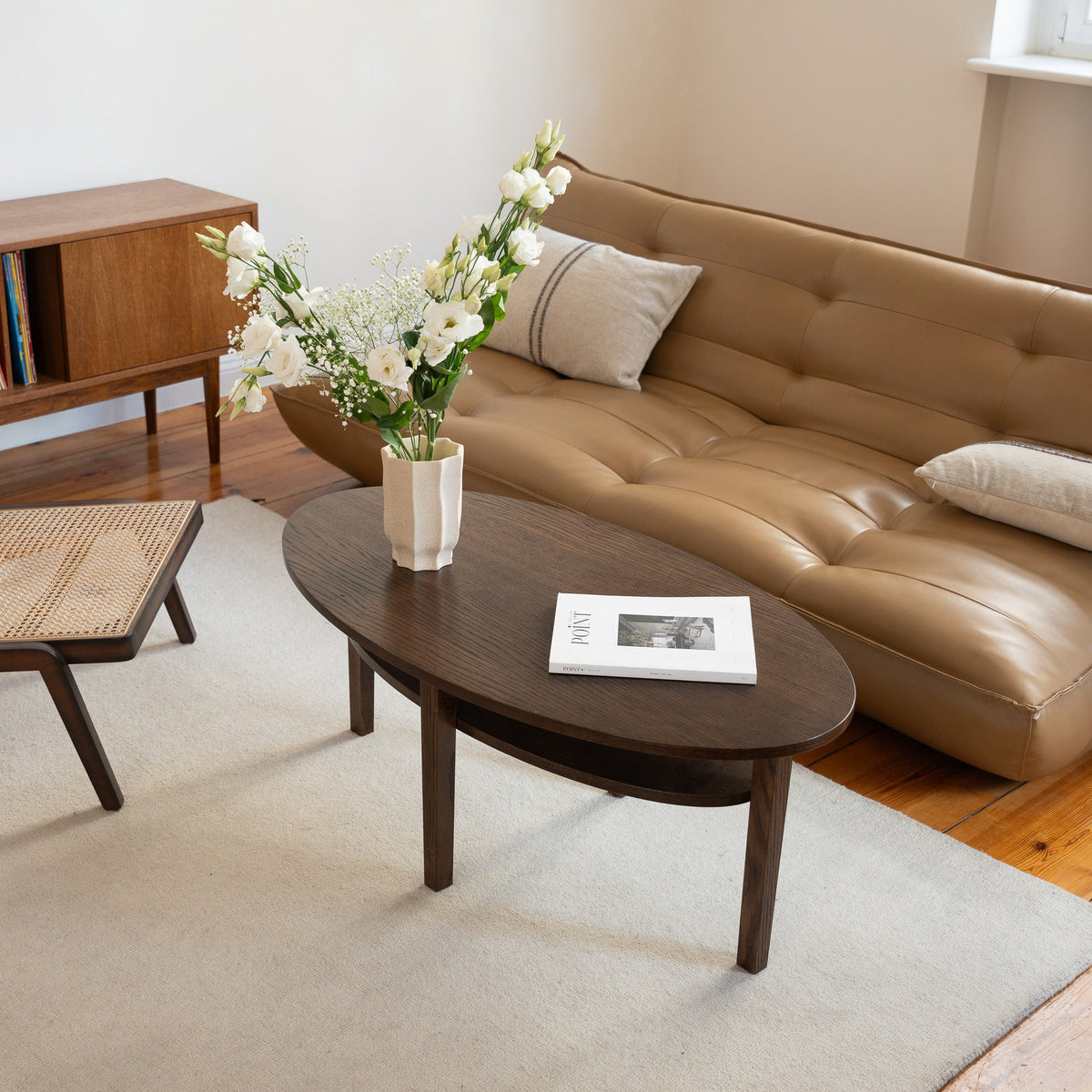
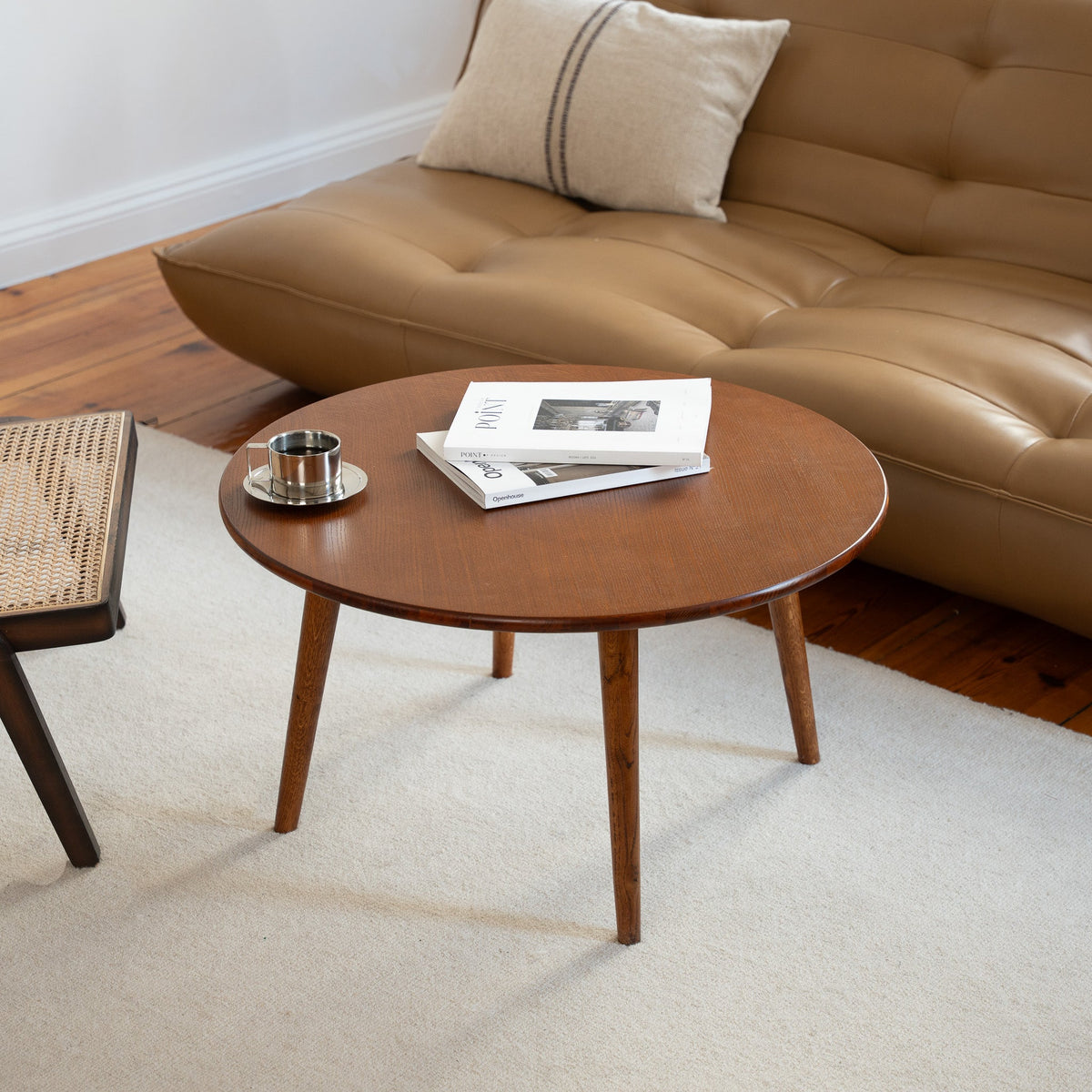
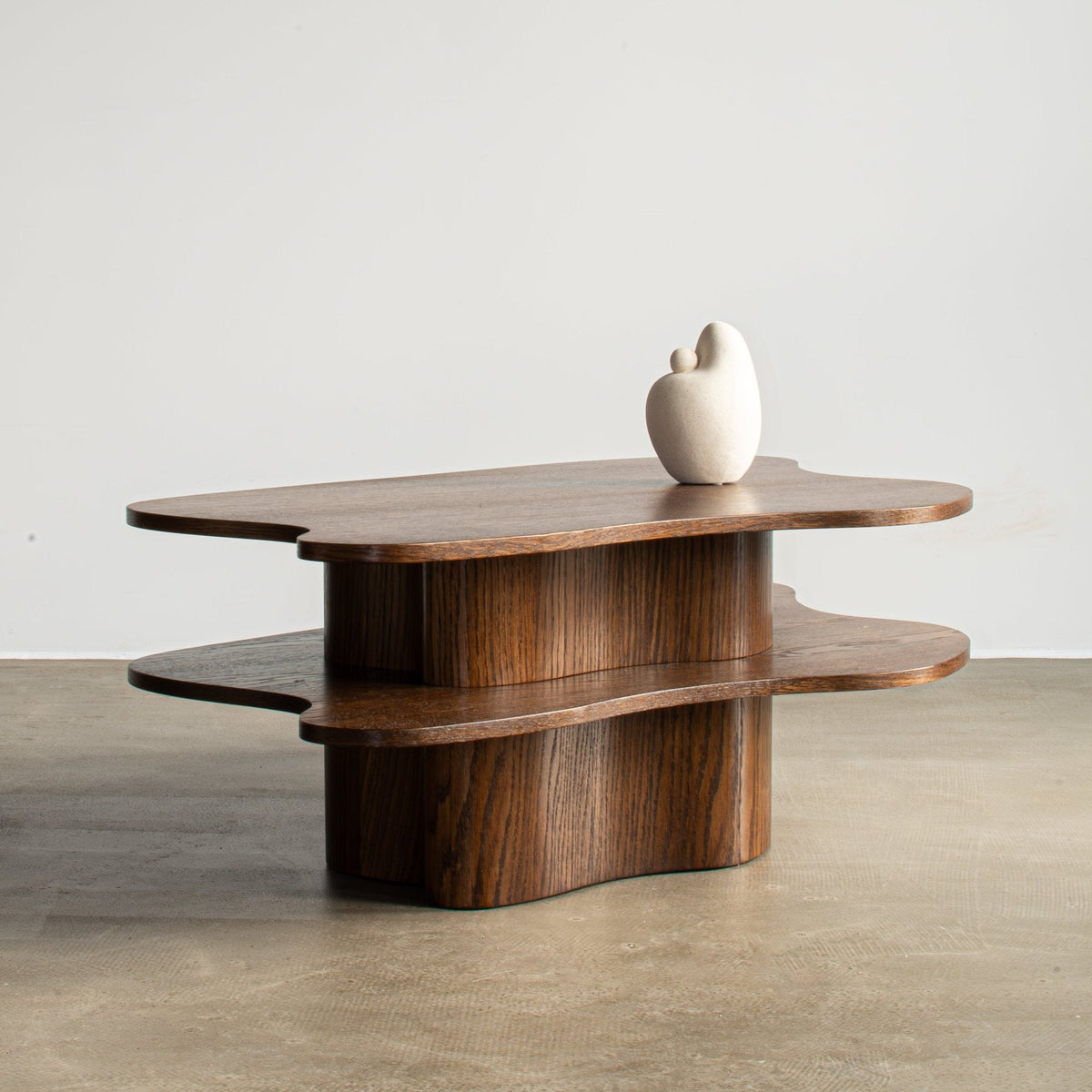
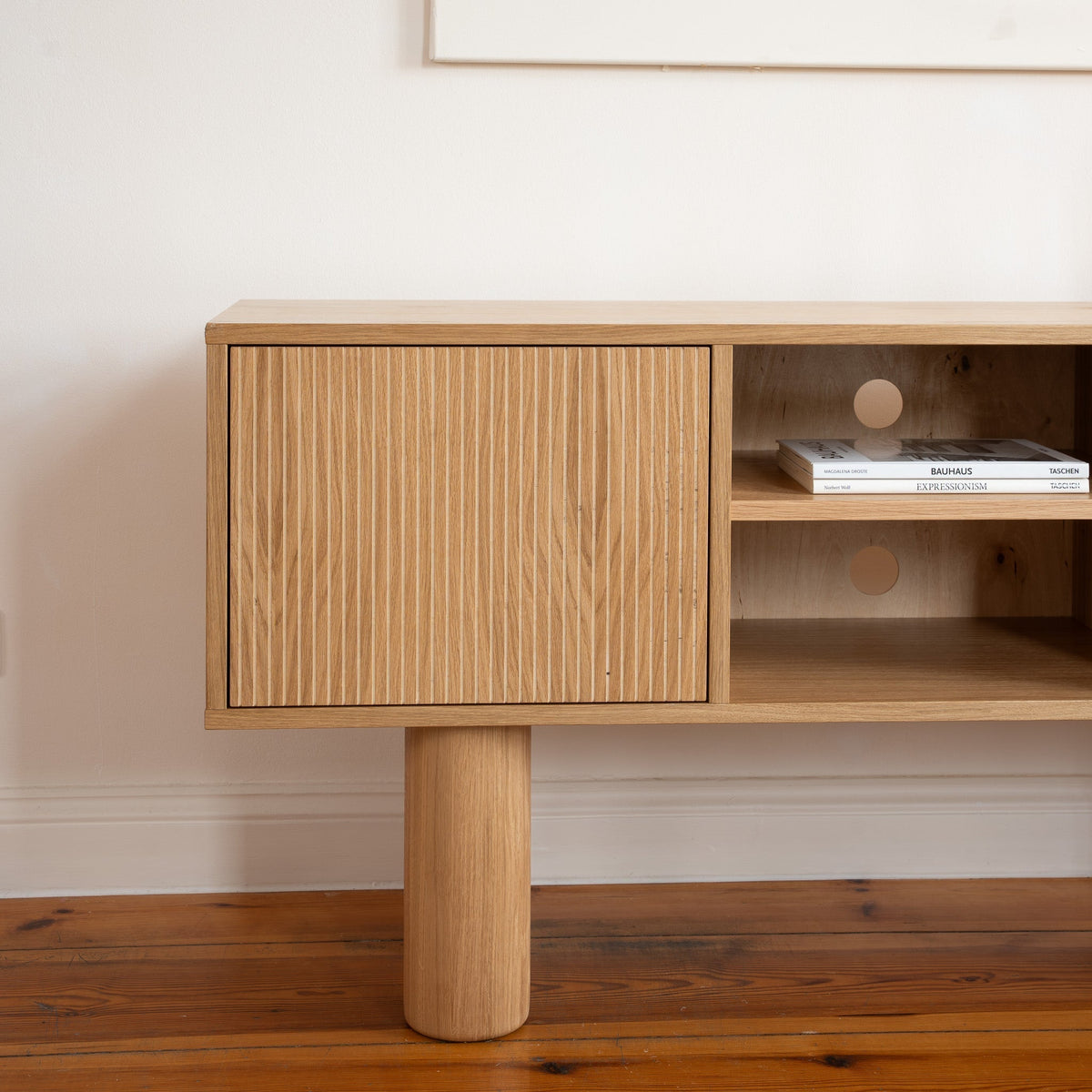
Start the scheme with one or two statement pieces and build the décor around them. A low sideboard on turned legs or a geometric wooden coffee table works perfectly here. When you choose high-quality vintage furniture, you are investing in distinctive design and fine natural materials. Oak or American walnut, finished with eco-friendly oils or waxes, bring a sense of cosiness to the living room. If space is limited, tall retro chests of drawers are a great choice. They offer plenty of storage and, thanks to their slender build, do not overpower the room.
Colours and Materials That Recreate the Feel of Bygone Decades
Colour plays a key role in creating a vintage mood. Forget cool greys and sterile white. This style loves warm, saturated, deep shades. The base can be natural wood tones, beiges and warm browns, broken up with more striking accents. The most popular colours include:
- Bottle green: Adds elegance to the interior and pairs beautifully with gold or brass details.
- Mustard yellow and ochre: Brighten the space and bring in the cheerful, sunny mood of the 1960s.
- Deep orange and terracotta: Echo the energetic design of the 1970s.
Fabrics matter just as much. A vintage living room needs materials with a distinct texture. Velour, velvet, corduroy and natural linen all work beautifully on armchairs and sofas, or as curtains and cushions.
Lighting and Accessories with Soul
The devil is in the detail, and in vintage style it is the accessories that ultimately define the character of the room. Lighting in this kind of living room should be both practical and decorative. Genre classics include metal floor lamps with rounded shades, milk-glass pendant lights and table lamps on brass bases. Warm, diffused light will create a cosy, relaxing atmosphere in the evening.
On the walls, hang posters with 1950s and 1960s graphics, geometric mirrors in decorative frames or minimalist prints. Don't forget plants either – monsteras, ferns and ficus, all fashionable at the time, complete the scheme perfectly and add freshness. If you love music, a record player displayed on a dedicated cabinet makes the ideal decorative (and functional) feature.
How to Care for Wooden Vintage Furniture So It Lasts for Generations
Choosing furniture made of natural wood or veneer is an investment for years to come. To keep it looking beautiful, place it away from direct heat sources (radiators, fireplaces) and spots in strong sunlight. UV rays and fluctuations in humidity can cause discolouration and cracking.
For everyday cleaning, use only a soft, dry or slightly damp microfibre cloth. Avoid detergents, which can damage the wax or oil finish. Every few months, protect the surface with a dedicated oil or beeswax – this refreshes the grain and stops moisture getting into the wood.
FAQ
What defines vintage style in interior design?
It is based on bringing authentic furniture and accessories from the 1950s, 1960s and 1970s – or their handcrafted reproductions – into modern spaces. It is distinguished by simple, organic lines, attention to detail and the use of fine woods (oak, walnut).
What is the difference between retro and vintage style?
Vintage means original items from the past (at least 20–30 years old) as well as new furniture made using traditional methods to classic designs. Retro covers contemporary products that are simply styled to look old, combining modern production with a period aesthetic.
Does vintage furniture suit a modern home?
Yes. This furniture makes a great contrasting element in minimalist or Scandinavian interiors. It warms up stark spaces and gives a home individual character. The key is restraint – showcasing one or two main pieces.
What are the key pieces of furniture in a vintage living room?
The most important include classic sideboards on tall legs, low coffee tables with organic shapes, glass-fronted display cabinets, bookcases and light upholstered armchairs with solid wood armrests.
What materials is vintage furniture made from?
The key material is natural wood: oak, ash, American walnut, teak and rosewood. Finishes rely on natural veneers with beautiful grain and eco-friendly waxes and oils that protect the wood and enhance its texture.